


A 58-year-old Tracy man was killed Friday morning when he drove his SUV around a railroad crossing arm on Chrisman Road and directly in front of a westbound Altamont Corridor Express train.
A 58-year-old Tracy man was killed Friday morning when he drove his SUV around a railroad crossing arm on Chrisman Road and directly in front of a westbound Altamont Corridor Express train.

Kathy Krueger’s photo of an Acacia tree in the Sahara Desert won the Tracy Camera Club Photo of the Month for April.
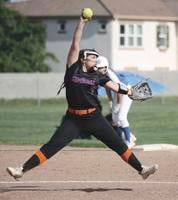
The Kimball High softball team turned in a monster eight-run second inning as they took down Sierra 12-1 at home Tuesday afternoon to pick up a huge second straight win in Valley Oak League (VOL) play.
It’s good to know that the Stockton Symphony will come to our town Sunday, Ma…
It’s tax time, that time of year when we taxpayers file income tax statements…
Several hundred people gathered at Charondo Family Vineyards on Hansen Road J…
This week in Tracy history
10 years ago — 2014


Commented